Bathroom Remodeling in Marietta, GA
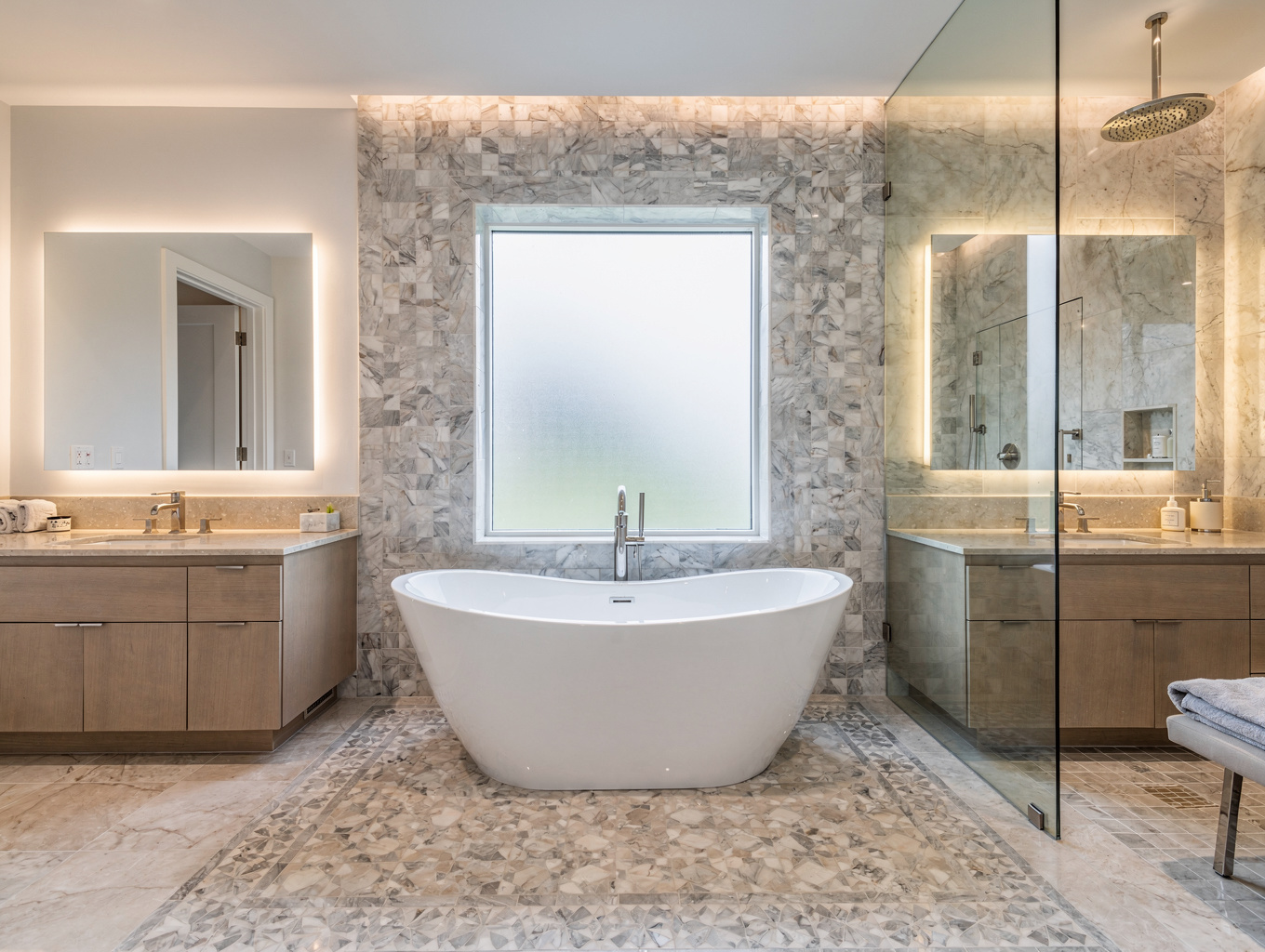
Your master bathroom should function as a private, durable sanctuary. Havencrest specializes in reimagining cramped, outdated bathrooms into spacious master suites complete with curbless zero-entry walk-in showers, freestanding soaking tubs, and custom double vanities. We install state-of-the-art waterproofing systems, precision-pitched shower pans, and premium plumbing fixtures engineered to protect your home's structural framing for decades. Our Marietta design team helps you balance luxury tile selections with water-efficient fixtures that meet Georgia residential standards.
What's Included in Your Bathroom Renovation
From subfloor waterproofing to precision tile mitering, every stage is executed by certified trade professionals.
Marietta Trade Standards
Built to Cobb County residential code
- Schluter-KERDI waterproof bonded sheet membranes
- Expert master plumbing and pressure-tested lines
- Dedicated GFCI circuits and insulated exhaust routing
Layout Updates
Expanding shower footprints, relocating plumbing stacks, and optimizing privacy partitions.
Custom Showers & Tubs
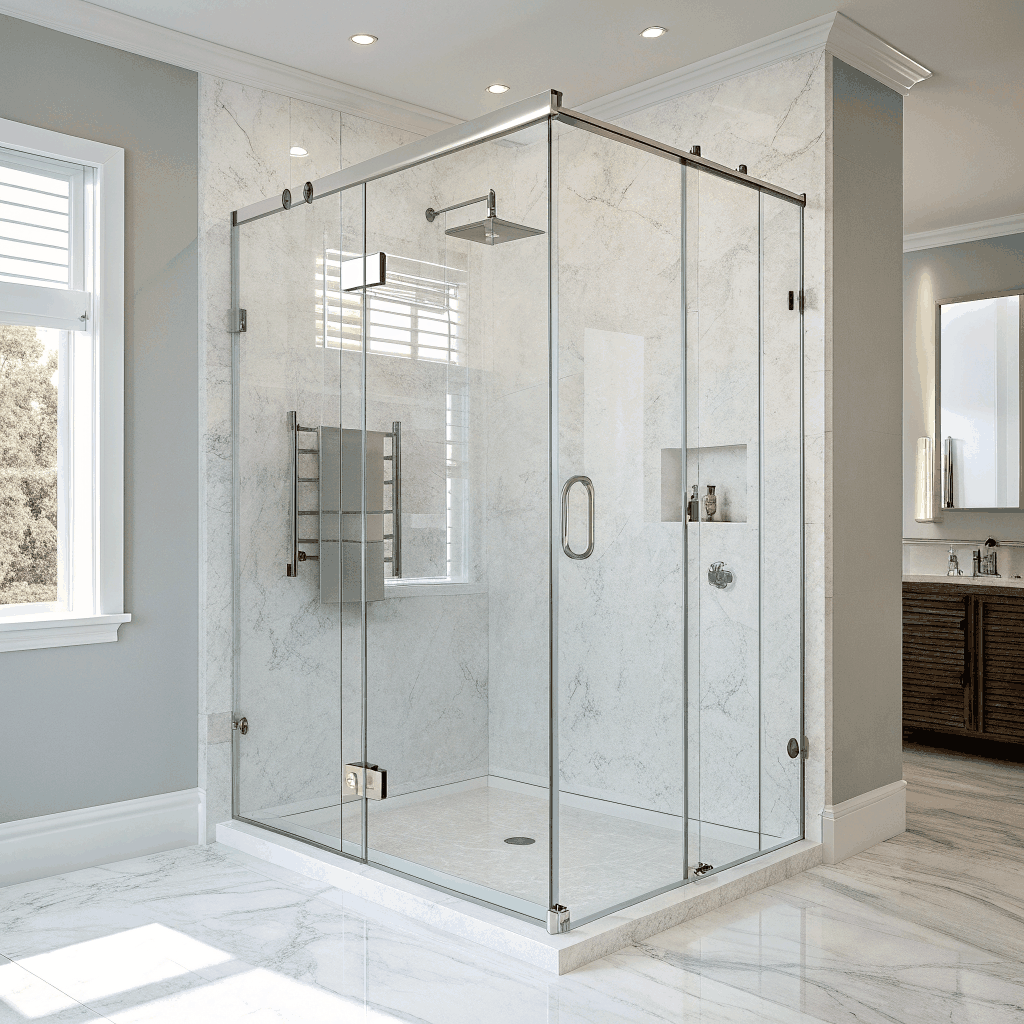
Frameless heavy glass enclosures, zero-threshold curbless pans, linear drains, and deep freestanding tubs.
Vanities & Storage
Custom floating or furniture-style double vanities with quartz tops, integrated power, and linen towers.
Precision Tiling
Waterproof Schluter membranes, heated floor systems, and floor-to-ceiling porcelain or natural stone.
Premium Fixtures
Thermostatic multi-head valve systems, rain shower heads, modern brass trim, and quiet ventilation.
Get a Free Estimate
Key Decisions You'll Make
Every intentional structural and material selection made today determines how comfortably your bathroom performs for decades.
Balancing freestanding soaking tubs with expansive walk-in enclosures based on square footage, plumbing pathways, and daily bathing rituals.
Assessing wall-mounted floating vs. furniture-style cabinetry, integrated double basins, custom drawer organizers, and recessed medicine niches.
Selecting porcelain, natural stone, or handmade tile paired with uncoupling membranes and comprehensive wet-area tanking systems.
Specifying thermostatic shower valves, pressure-balanced handshowers, drain assemblies, and coordinated solid brass plumbing hardware.
Planning curbless zero-threshold shower entryways, slip-resistant mosaic flooring, and structural wall blocking for concealed grab bar installation.
Also coordinate your whole-home aesthetic if you areplanning a kitchen remodel too
What Drives the Cost of a Bathroom Remodel
Every bathroom investment varies by layout adjustments, structural scope, and material durability rather than room size alone.
To prepare realistic budgets before opening walls, read our planning guides.
What Affects Your Timeline
Transparent scheduling balances rigorous craftsmanship with key municipal milestones from permit filing to final sign-off.
Permitting & Municipal Reviews
Cobb County zoning clearance and building permit processing times dictate initial groundbreak windows.
Fixture & Finish Selection
Early approvals of plumbing hardware, tile, and lighting prevent work stoppages before demo begins.
Custom Fabrication Lead Times
Tailored stone vanities and frameless glass enclosures require precision post-tile templating and multi-week craft milling.
Phased Rough-in & Final Inspections
Timelines account for coordinated municipal sign-offs between trade rough-ins and final occupancy clearances.
Is It Time to Remodel Your Bathroom?
Recognizing when your space no longer serves your daily routine is the first step toward a functional home.
Accessibility and safety
Transition to a zero-threshold shower and slip-resistant flooring for effortless accessibility as your needs evolve.
Dated Marietta homes
Update aging galvanized plumbing, worn fixtures, and vintage tile in classic Cobb County craftsman or colonial properties.
Preparing for resale
Refresh tired cabinetry, worn surfaces, and dim lighting to maximize property appraisal value before listing your home.
Growing household demands
Incorporate a double vanity and dedicated vertical linen storage to relieve crowded morning routines for your family.
Remodeling vs. moving
Stay in the neighborhood you love by expanding your current footprint — and if you're also considering finishing your basement, coordinated renovations keep disruption minimal.
Our 5-Step Bathroom Remodeling Process
A clear, staged path from initial assessment through plumbing rough-ins and verified punch-list completion.
Consultation & Assessment
We evaluate your current plumbing, electrical capacity, and structural layout on-site while clarifying your spatial goals.
Design & Material Selection
Our team crafts layout plans and guides your selection of durable tiles, vanities, plumbing fixtures, and lighting.
Permitting & Scheduling
We submit building permits to the local jurisdiction, verify building codes, and lock in our trade calendar.
Construction
Crews set up dust containment, install waterproof shower systems, run rough utilities, and complete precision tile installation.
Final Walkthrough & Warranty
We test all fixtures, verify our detailed punch list, and review your written craftsmanship warranty documentation.
Frequently Asked Questions
Essential facts, permit standards, and scheduling expectations for residential renovations in Marietta and Cobb County.
Investment & Next Steps
Most Cobb County bathroom renovations are completed within 3 to 5 weeks from demolition to final walkthrough. Because we order all plumbing fixtures, vanities, and tile prior to demo day, work progresses daily without delays for backordered supplies.
Get Your Bathroom Remodeling Estimate
Detailed scope outlines, verified trade standards, and guaranteed fixed pricing for your Marietta home.